For Holocaust survivors living among us, institutional support is often only the tip of the iceberg in a daily struggle to live with dignity, maintain their health, and cope with profound loneliness. While official rights and stipends provide a basic safety net, it is charitable organizations that stand on the front lines, ensuring that no survivor is left hungry.
An organization for Holocaust survivors operates first and foremost from the heart, but also through extensive day-to-day work behind the scenes. These are very basic yet life-critical actions: distributing hot meals. This is not merely financial assistance, but a moral obligation—to provide the founding generation with the security and dignity they deserve, in real time, without bureaucracy and with compassion.
Delivering groceries directly to the home. Assistance with medications. Accompaniment for elderly individuals who struggle to leave their homes. Sometimes simply a visit and a conversation. Many Holocaust survivors live alone. Some face financial hardship. Others cope with health challenges. An organization focused on their needs knows how to identify distress in time and respond quickly, without unnecessary obstacles.
What Is the Difference Between an Organization for Holocaust Survivors and Private Initiatives?
Although the state provides assistance to Holocaust survivors through stipends, benefits, and welfare departments, the reality on the ground is far more complex. Not every survivor knows how to exercise their rights or is able to cope with the bureaucracy involved in forms and procedures, and in many cases government aid alone is simply insufficient to ensure a life of dignity.
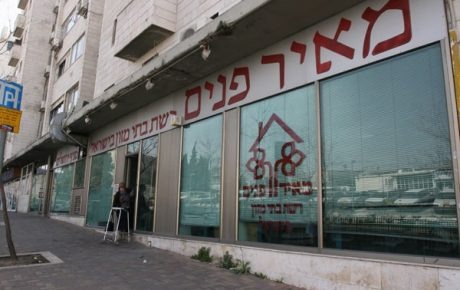
This is where a private nonprofit organization such as Meir Panim comes in. It does not replace the state, but rather complements it through direct, hands-on activity that sees the individual—not just their bureaucratic file. If there is no food at home, there is no need to wait for an approval that may arrive in a month; help is delivered here and now.
Everything You Need to Know About Charitable and Support Organizations
Charitable organizations operate differently from public systems thanks to their flexibility and close connection to the field, allowing them to tailor a personal solution to each case—something especially critical when working with an elderly population that has unique needs such as emotional sensitivity, loneliness, or physical limitations.
A good charitable organization knows how to preserve the dignity of survivors, ensuring they feel they are receiving support as a right, not as charity, and without pressure or judgment. Because needs vary—from those requiring hot meals to those who simply need a listening ear and a social visit—the organization integrates different forms of support and offers personalized assistance that truly makes a difference in their lives.
Want to Help Holocaust Survivors? This Is the Way to Do It
Volunteers play an inseparable role in this system. Their visits, conversations, and delivery of groceries are often the most meaningful moments in a survivor’s day, providing the reassurance that they have not been forgotten and that someone is coming especially for them—mutual responsibility in its most human and fundamental form.
At the same time, financial donations enable the organization to continue its work, purchase food, and fund deliveries. Even a small contribution accumulates into a significant impact and reaches those who cannot afford to wait. As a veteran charitable organization combining experience, a broad infrastructure, and thousands of volunteers, Meir Panim operates with respect and moral responsibility, making it the right choice for anyone seeking an organization that truly works on behalf of Holocaust survivors.
Beyond direct material assistance, the organization’s activity creates a supportive social network that gives survivors a sense of belonging to a broader, caring community—serving as a real safeguard against the deep loneliness that often characterizes old age. The bond formed between field workers and the elderly gradually becomes a personal and meaningful relationship, in which the volunteer becomes a trusted and familiar address for any need that arises, whether it is a small repair at home or the need to share memories from the past.